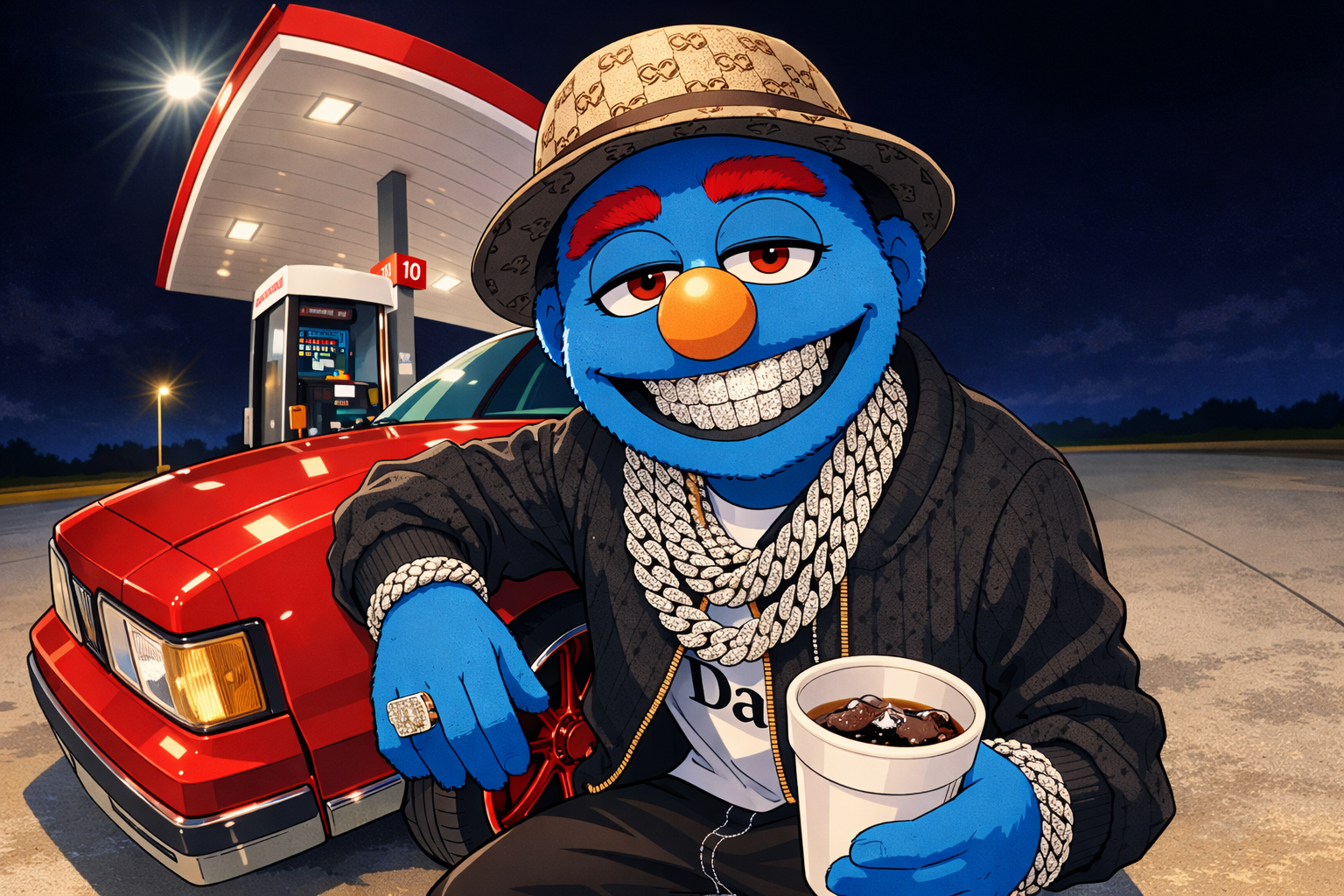

Future Rapper
 News
News
Future Rapper
The Future of Rap: Innovation, Technology, and Cultural Reinvention
Rap music—born in the streets of the Bronx in the 1970s—has continually evolved, reflecting changing cultural, technological, and artistic landscapes. Today, as the genre moves into the mid-2020s and beyond, its future is defined by innovation in sound, creative methods of production, and shifting audience engagement. Far from slowing down, rap is reinventing itself for a new era.
Technology as a Creative Partner
One of the most significant drivers of rap’s evolution is technology. Artificial intelligence (AI) and digital production tools are no longer futuristic concepts but everyday realities in the studio. Rappers and producers are integrating AI to generate beats, assist with lyric ideas, and streamline mixing processes—tools like Suno.ai for beat creation or DeepBeat for lyrical inspiration are now common. This fusion of machine assistance and human creativity allows artists to innovate faster and experiment with sounds that were previously difficult to achieve outside high-end studios.
Beyond production, digital mediums are reshaping how audiences interact with rap. Artists are releasing music and immersive content directly through streaming platforms, social media, and even in virtual environments, increasing their creative control and deepening fan engagement. Web3 technologies, including blockchain and NFTs, are enabling decentralized fan communities where supporters can own exclusive content and participate in an artist’s creative journey—transforming listeners from passive consumers into active stakeholders.
Genre Blending and Global Influence
The future of rap is also global. Traditional boundaries between regional and international sounds are continuing to blur, with Latin, Afrobeats, Amapiano, and European rap scenes influencing mainstream hip-hop production and style. This cross-pollination of sound enriches the genre while expanding its cultural reach beyond the United States.
Furthermore, rap is no longer restricted to conventional themes or sonic templates. Subgenres like pluggnb, phonk revivals, and cloud rap are thriving in online communities, contributing to a more diverse sonic ecosystem. This diversity allows upcoming artists to carve distinctive niches and cultivate dedicated audiences even without major label backing.
Creative Expression and Lyrical Evolution
While technological trends shape how rap is made, the future of its content is also evolving. Historically, rap has been a vehicle for social commentary and personal storytelling. Contemporary analysis of lyrical trends suggests that rap is becoming more introspective, with increased focus on individual experiences, mental health, and nuanced narratives. This shift complements the genre’s long tradition of reflecting societal dynamics while layering in modern emotional depth.
At the same time, there’s a growing appetite among listeners for lyricism and storytelling that harkens back to rap’s roots. As mainstream rap diversifies, niche audiences have embraced intricate wordplay and concept-driven projects alongside party anthems and trap-influenced tracks.
Performance, Immersion, and Community
The performance of rap is set to change as well. Concerts are becoming hybrid experiences that integrate augmented reality (AR) and virtual reality (VR), offering fans immersive interactions with artists beyond the traditional stage. Holographic displays and interactive live technology are transforming how rap is performed and consumed, allowing artists to reach global audiences in real time.
Challenges and Opportunities Ahead
Despite its evolution, rap faces challenges. Recent chart data shows rap’s presence in mainstream radio rankings has fluctuated, underscoring shifting listener preferences and increased competition from other genres. Yet this doesn’t signal decline—rather, it reflects a broader musical landscape where genres continually integrate and influence one another.
Ultimately, the future of rap resounds with possibility. As artists harness new technologies, reach broader audiences, and explore deeper thematic content, rap stands poised not only to remain culturally dominant but to expand in ways that honor its roots while embracing innovation.